
Pittsburgh
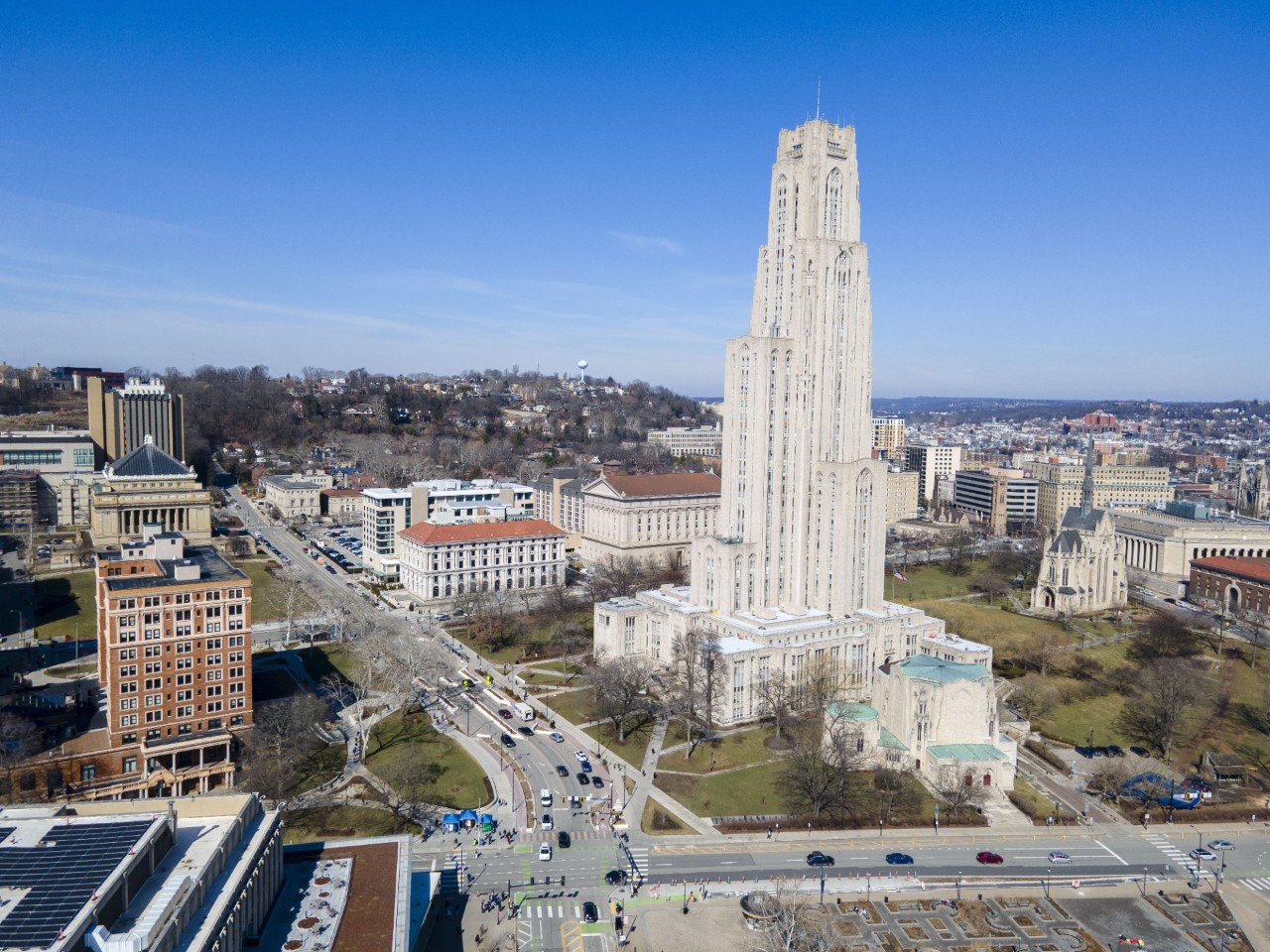
The Pittsburgh Federal Statistical Research Data Center (Pittsburgh FSRDC) is a secure research facility located on the University of Pittsburgh campus, operated as a joint initiative of the University of Pittsburgh and Carnegie Mellon University in partnership with the U.S. Census Bureau. It provides qualified researchers with access to restricted-use microdata from the U.S. Census Bureau and other federal statistical agencies, supporting cutting-edge research in economics, public health, business, social policy, political science, and demography. Researchers work at dedicated workstations in a secure enclave with no internet or external device access, ensuring the highest standards of data confidentiality.
Executive Directors
Robert K. Cunningham, Ph.D., Executive Director
As Vice Chancellor for Research Infrastructure at the University of Pittsburgh, Robert Cunningham is responsible for the strategic leadership of the University's research infrastructure and serves as the deputy director of special initiatives.

Randall Walsh, Ph.D., Co-Director
Randall Walsh is a Professor in the Department of Economics at the University of Pittsburgh and directs the Department’s Master’s Degree program in Quantitative Economics. He is an applied micro economist studying issues related to cities, the environment, race and political economy – in both historical and contemporaneous contexts.

Brian K. Kovak, Ph.D, Co-Director
Brian Kovak is a Professor of Economics and Public Policy at Carnegie Mellon University's Heinz College and a Research Associate with the National Bureau of Economic Research. His research examines labor market impacts of international trade, migration, and technological change.

Contact Information
Shawn Ratcliff P.h.D., Administrator
Pittsburgh Research Data Center
4200 Fifth Avenue
Cathedral of Learning
Pittsburgh, PA 15260
Phone: 412-452-9784
Email: [email protected]

Partner Institutions
The operation of each Federal Statistical Research Data Center (RDC) is supported by both the Census Bureau and RDC partner institutions. Some RDC partner institutions form consortiums to share the operational costs of the RDC and may waive user fees for their affiliates. Several RDCs have built branch locations to reduce the cost of researchers commuting to the core location while still maintaining the identical stringent information technology and physical security requirements.