2026 Census Test
The 2026 Census Test Has Concluded
The U.S. Census Bureau completed the 2026 Census Test in select parts of Spartanburg, South Carolina and Huntsville, Alabama on August 31, 2026. The lessons learned from this operational test will help us improve how everyone is counted in the 2030 Census.
Thank you to all the communities, partners and participants who contributed to the test. We hope you will continue to stay engaged to prepare for the national count in 2030.
About the Test
The 2026 Census Test is the U.S. Census Bureau's first opportunity to try out new tools and methods in two locations in the United States. This operational test, in support of the 2030 Census, will help us improve how we will count everyone in the country in 2030. For the 2026 Census Test, the Census Bureau is also working with the United States Postal Service (USPS) to evaluate ways postal workers may assist with collecting responses from households that do not respond on their own.
The 2026 Census Test is the first of two field tests we conduct in preparation for the 2030 Census.
Test Locations
This test will focus on operations in two test sites: Huntsville, AL and Spartanburg, SC. The Census Bureau is committed to achieving our mission of getting a complete and accurate count in the 2030 Census and looks forward to the continued engagement with local communities and the USPS.
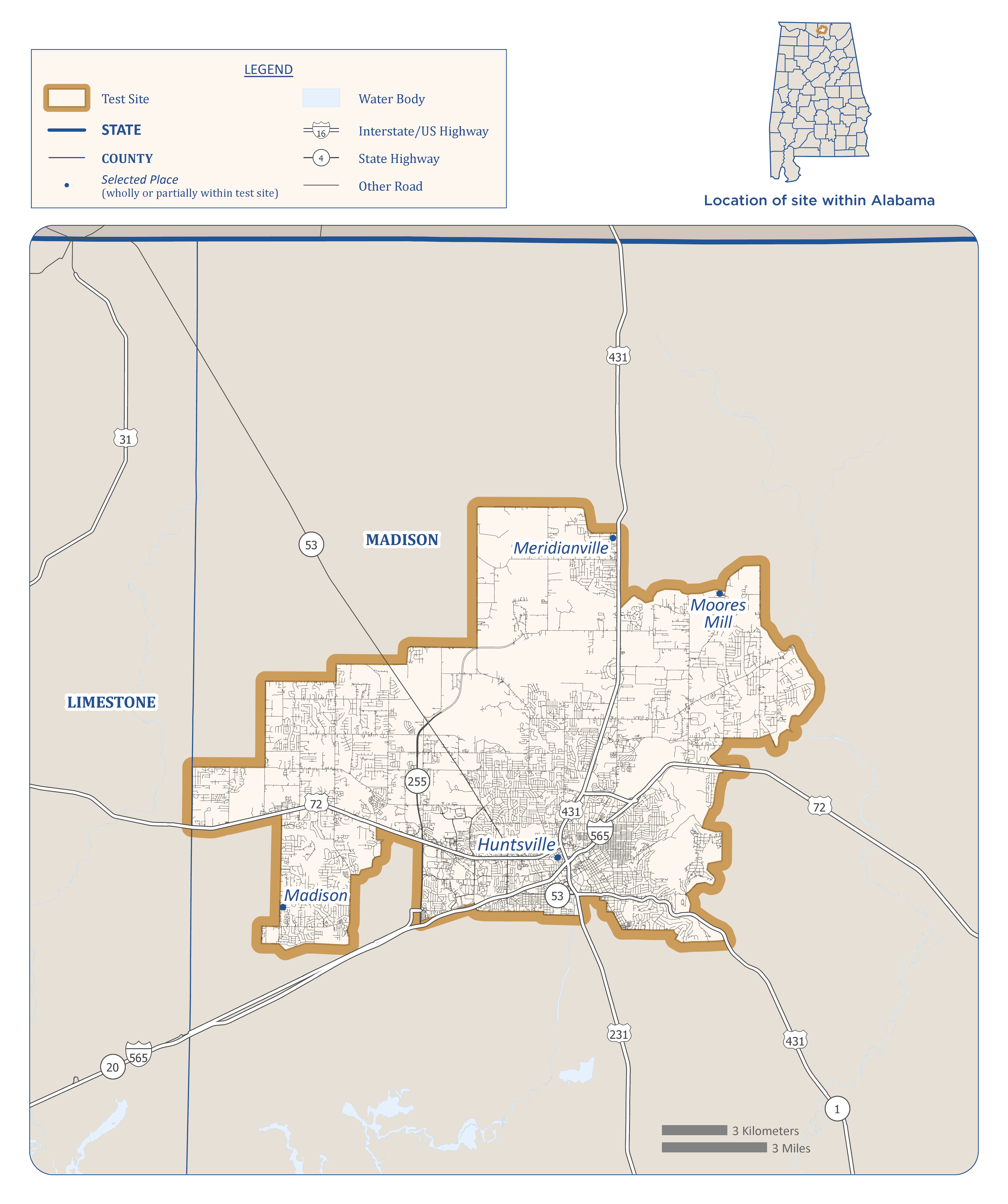
The Huntsville, AL site includes selected areas within the metro area.


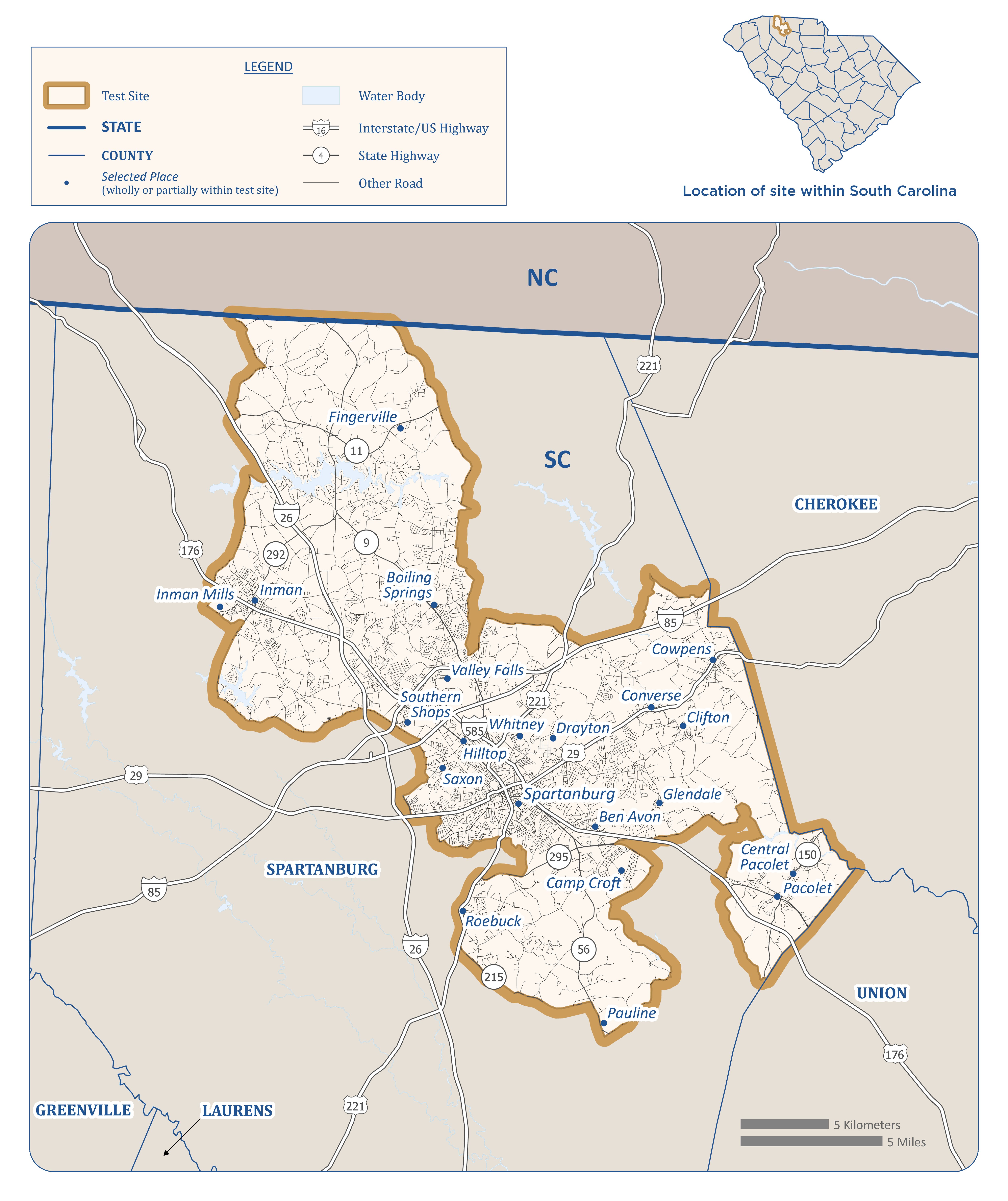
The Spartanburg, SC site includes selected areas within the metro area.
Important Dates
- May 1, 2026: Public begins responding to the test online.
- June 1 – August 31, 2026: Census takers, including postal workers working on behalf of the Census Bureau, may visit households that don’t respond on their own. Households can still respond online during this time.
- August 31, 2026: 2026 Census Test concludes.
United States Postal Service (USPS) Pilot Program
As part of a new collaboration designed to help plan for the 2030 Census, the Census Bureau and USPS will assess the feasibility of using postal workers to collect census responses from households who do not respond on their own.
Starting in June and through August, census takers – including postal workers – may visit homes that don’t respond to count people in person. It’s important to know that postal workers are legitimate census takers for the 2026 Census Test.
If you live in the Spartanburg, SC area, your census responses may be collected by a postal worker while they deliver mail. Households will either be visited by a postal worker or non-postal census taker depending on their location.
If you live in the Huntsville, AL area, the Census Bureau will directly hire postal workers to collect responses outside of their USPS work hours. Because census takers often need to visit households more than once, it is possible that a household is visited by both postal and non-postal census takers in the Huntsville area.
This collaboration will allow the Census Bureau and USPS the opportunity to explore how working together could increase effectiveness in the 2030 Census.
Have more questions about the 2026 Census Test and the role of postal workers? View the Frequently Asked Questions (FAQs) below.
Want to learn more about how postal workers are helping with the 2026 Census Test? Explore our tip sheet for additional details about the USPS pilot and visit our 2026 Census Test FAQs page for answers to additional questions about the 2026 Census Test.
What to Expect
- Who is included? Selected households in the Huntsville, AL and Spartanburg, SC test site locations will receive an invitation to participate.
- How to respond? You can respond to the test online in English. Census takers, including postal workers (on behalf of the Census Bureau), may follow up with households that don’t respond to collect responses in person.
- Time commitment? Responding to the test online is expected to take about 40 minutes.
- What questions will I be asked? Questions include name, sex, age, Hispanic origin, race, citizenship and education.
Why Your Participation Matters
If you were selected to participate, your response is important. The Census Bureau is testing new enhancements and innovations in this operational test that may be used in the 2030 Census. By taking part, you help us understand what works well and what needs to be improved.
Each response we receive guides us in making the census easier and more accurate and efficient. Your participation ensures we can build a better census for the future.
Privacy and Confidentiality
The Census Bureau is legally obligated to protect the privacy and confidentiality of your information. Individual responses are kept confidential and cannot be used to identify individuals or businesses. The Census Bureau only uses your responses for statistical purposes.
Related Resources
-
2026 Census PartnersPartners, stakeholders, and community leaders who get involved in the 2026 Census Test help us prepare for the 2030 Census.
-
2026 Census Test Press KitThe 2026 Census Test is one of two field tests the Census Bureau will hold leading up to the 2030 Census.
-
2030 Census Press KitFind the latest news on the 2030 Census—the 25th in U.S. history.