
Noncognitive Skills and the Racial Wage Gap
Noncognitive Skills and the Racial Wage Gap
Background
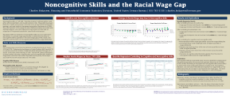
Noncognitive skills, or “soft skills,” describe a person’s self-perception, work ethic, ethical orientation, and overall outlook on life. These skills have been linked to a variety of economic outcomes such as educational attainment, earnings, and work habits in the general population (Heckman et al 2006). They are important to the design of early childhood policies and adult work training programs. Less well understood is the impact of these skills on subgroups of the general population, specifically racial groups.
Related Information


Page Last Revised - October 8, 2021