As America Turns 250 Years Old, the Census is Not Far Behind at 236
For 236 of America’s 250-year history, the census has measured our nation’s population. It has also tracked our values, interests and changes in the way we live.
Census questions, how they’re asked and of whom, capture what’s important to American society.
Housing, employment, slavery, manufacturing, immigration, voting access and more. Public demand for information on these topics has fluctuated over the course of American history, punctuated by the census count at the start of each decade.
How did events like the Westward Expansion, the Civil War, the Great Depression and the Civil Rights Movement change the census — and how did it adapt over time?
The framers of the Constitution tied apportionment of the U.S. House of Representatives to a once-a-decade population count, starting with the nation’s first census in 1790.
We view the nation’s evolution through the prism of every decennial census since.
The Census Act of 1790 was passed by the First Congress and signed by the nation’s first president, George Washington.
On August 2, 1790, U.S. Marshals began collecting the names of each head of household along with a count of all free White men age 16 and older, free children under age 16, free White women, and all other free and enslaved people.
Most American Indians were not enumerated between 1790 and 1850. Their relationship to federal census-taking would evolve over American history.
The first census took 18 months to complete.
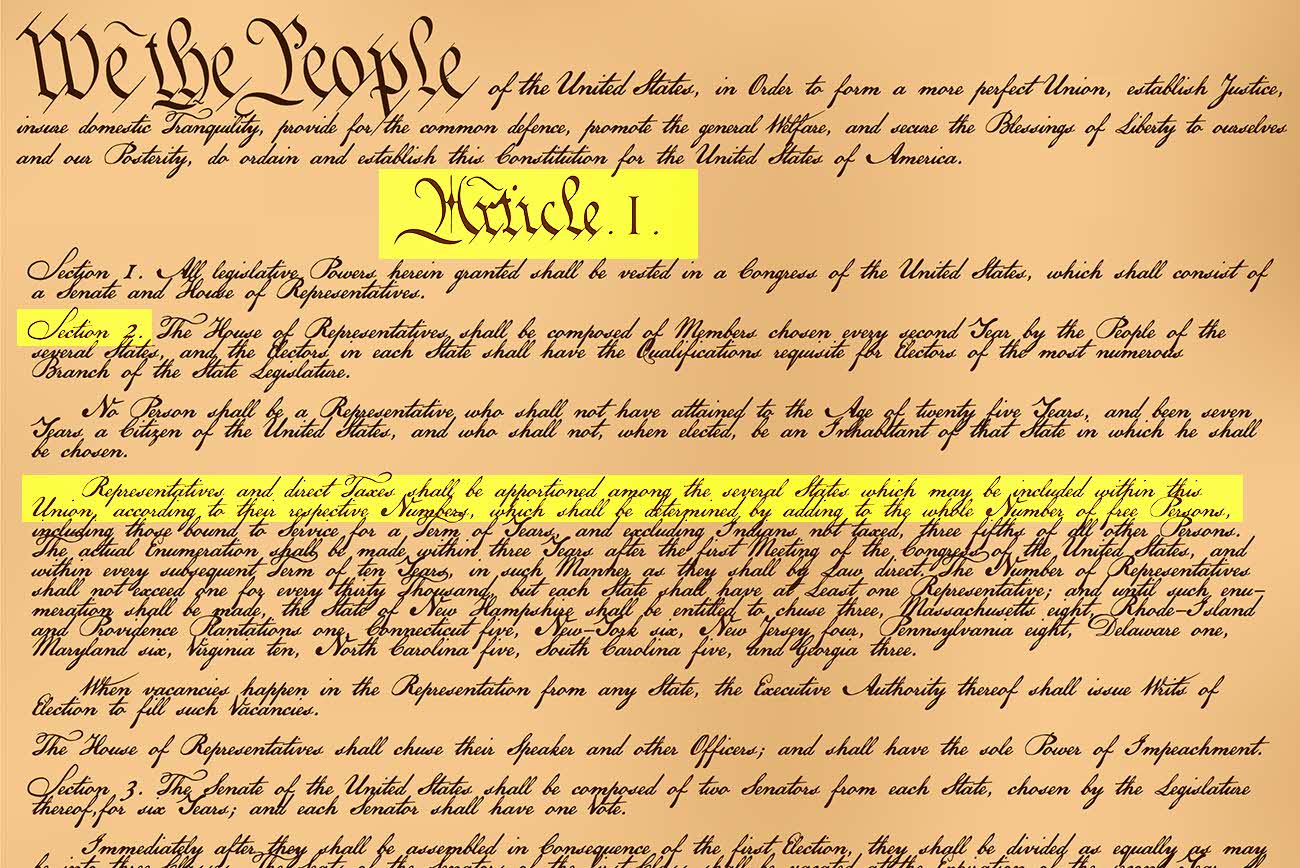
Figure 1: The Census in the Constitution
Fun Facts:
The government did not provide blank printed forms to enumerators. They used any available paper and recorded all information by hand.
Every person older than 16 was required to cooperate “on pain of forfeiting twenty dollars.”
Some Census Firsts:
- Enumerated the populations of:
- The 13 original states (Connecticut, Delaware, Georgia, Maryland, Massachusetts, New Hampshire, New Jersey, New York, North Carolina, Pennsylvania, Rhode Island, South Carolina and Virginia).
- The districts of Kentucky, Maine, Vermont and the Southwest Territory (which later became Tennessee).
Population:
- 3,929,214 (including 697,624 enslaved people, or 17.8%).
The second census was managed by Secretary of State John Marshall and was completed in nine months.
The set of questions expanded to include the name of the head of family, a count of all free White people and their ages within a range and counts of all other free people (except “Indians, not taxed”) and slaves.
Fun Fact:
The marshals were required by law to display completed census questionnaires in two public places in each jurisdiction for respondents to make corrections.
Some Census Firsts:
- Kentucky and Tennessee had become states and their populations were counted.
- Population counts were taken in the District of Columbia, the Mississippi Territory and the territory Northwest of the Ohio River (which would become Indiana, Illinois, Michigan, Ohio, Wisconsin and part of Minnesota).
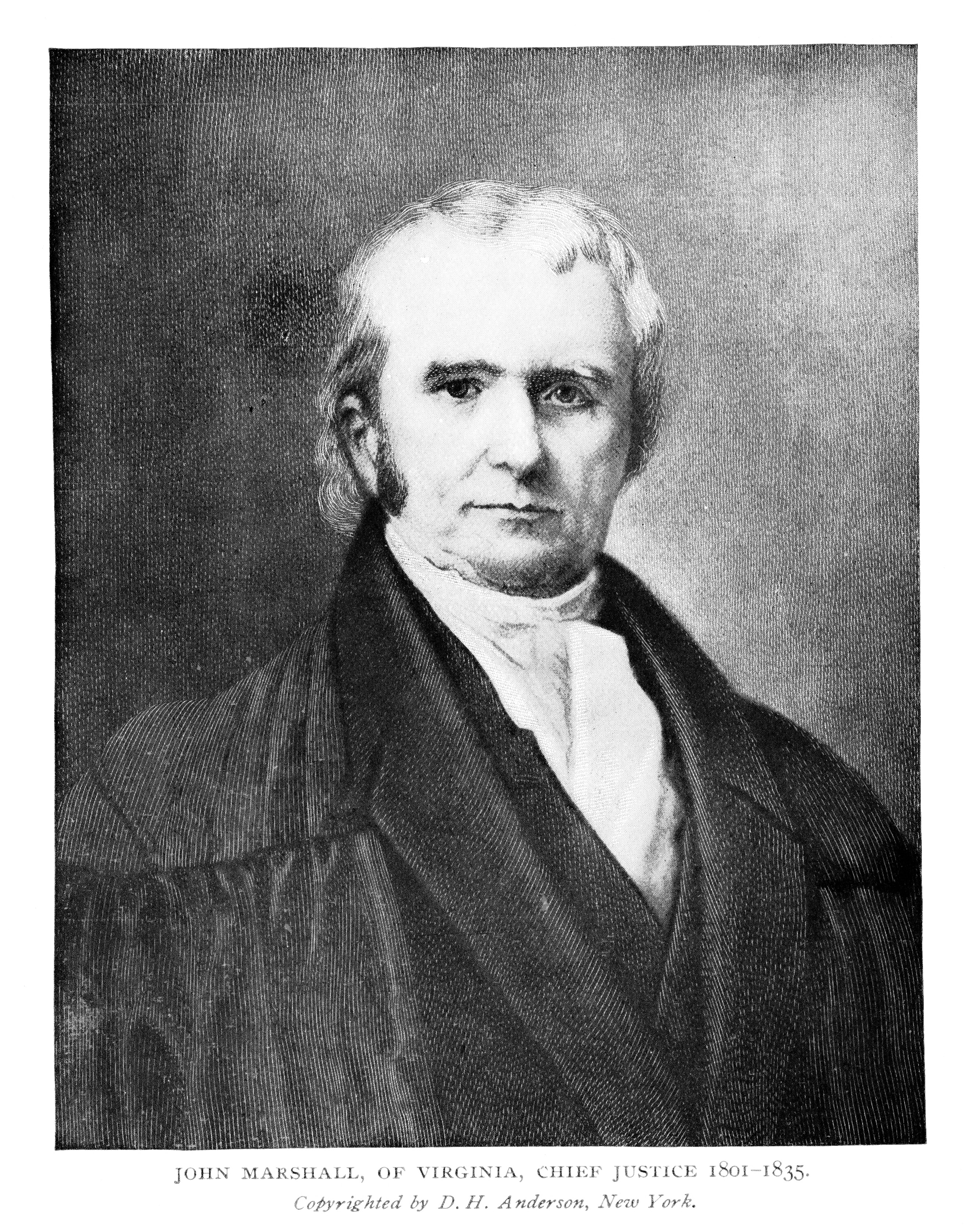
Figure 2: John Marshall
Population:
- 5,308,483, up 35.1% from 1790 (including 893,602 enslaved people, or 16.8%).
Congress feared shortages of finished goods from Europe due to Napoleon’s wars. It legislated that the next census collect and tabulate manufacturing data.
Enumerators had been given a virtually impossible task: conduct this first census of manufactures with little instruction, no training and no prescribed questions. Most experts found the resulting count of poor quality.
Fun Facts:
Enumerators faced resistance to questions about business operations. In North Carolina, one reported that requests for data "created Jealousies in the minds of a Great Number of the people, consequently No Great reliance can be placed on the same.”
This was the last census to show Virginia as the most populous state.
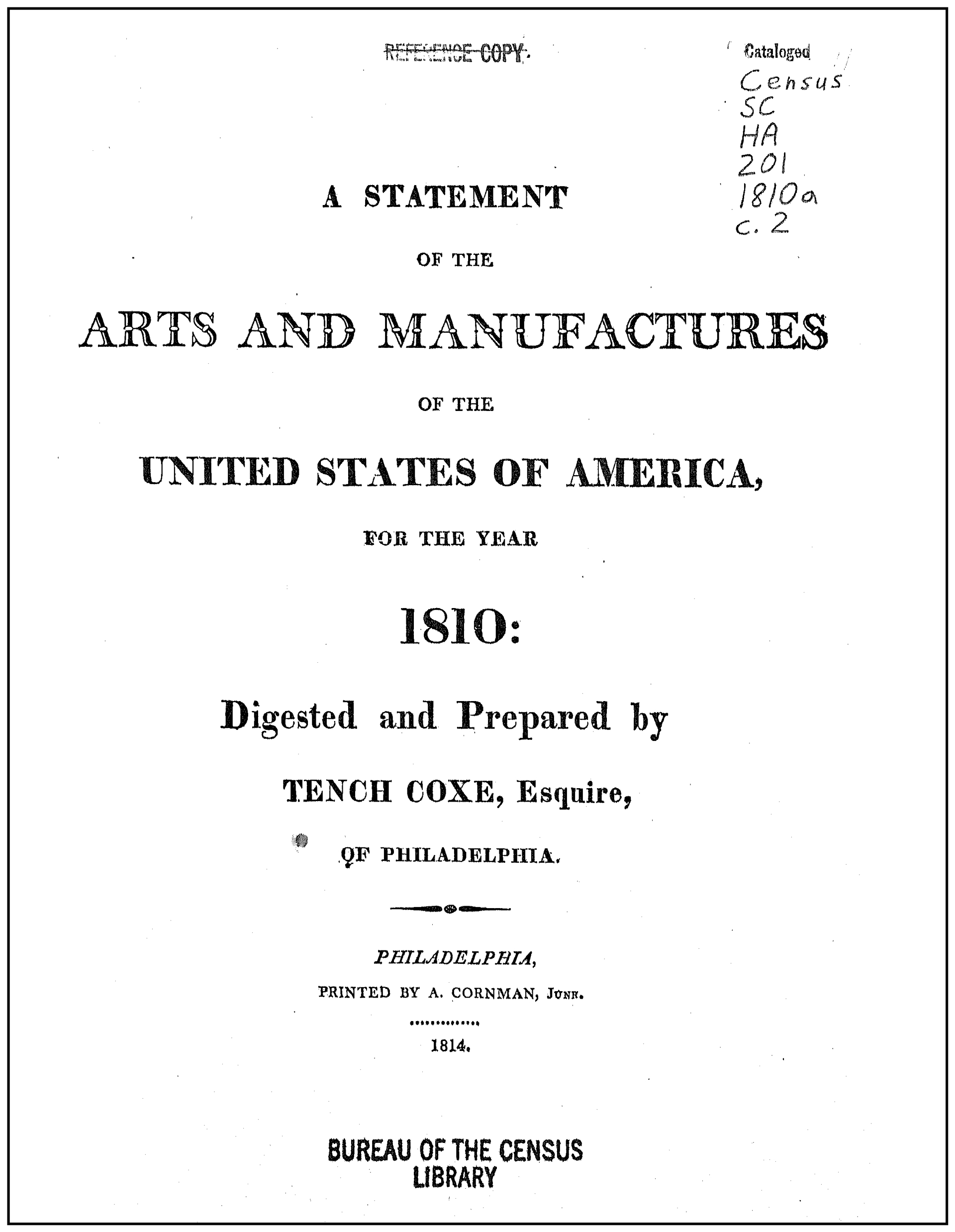
Figure 3: Title Page for the Census of Manufactures
Some Census Firsts:
- Population counts were taken in Ohio, the territories of Illinois, Indiana, Michigan, Louisiana (as in the Louisiana Purchase, which later became the Missouri Territory) and Orleans (which later became Louisiana).
- Measures were taken to protect manufacturer privacy and confidentiality.
Population:
- 7,239,881, up 36.4% from 1800 (including 1,191,362 enslaved people, or 16.5%).
The fourth census went through a major expansion, adding more age groups within the sex, race and enslaved categories. Secretary of State John Quincy Adams oversaw the effort, which took about 13 months to complete.
Fun Facts:
This was the last census to use forms hand-drawn by the enumerators.
Just like in 1810, the manufacturing data was of poor quality.
Some Census Firsts:
- The Arkansas and Missouri territories were counted.
- Asked questions about naturalization and the “numbers of persons engaged in agriculture, commerce, and manufacturing.”
- New York, Pennsylvania and Virginia populations exceeded 1 million.
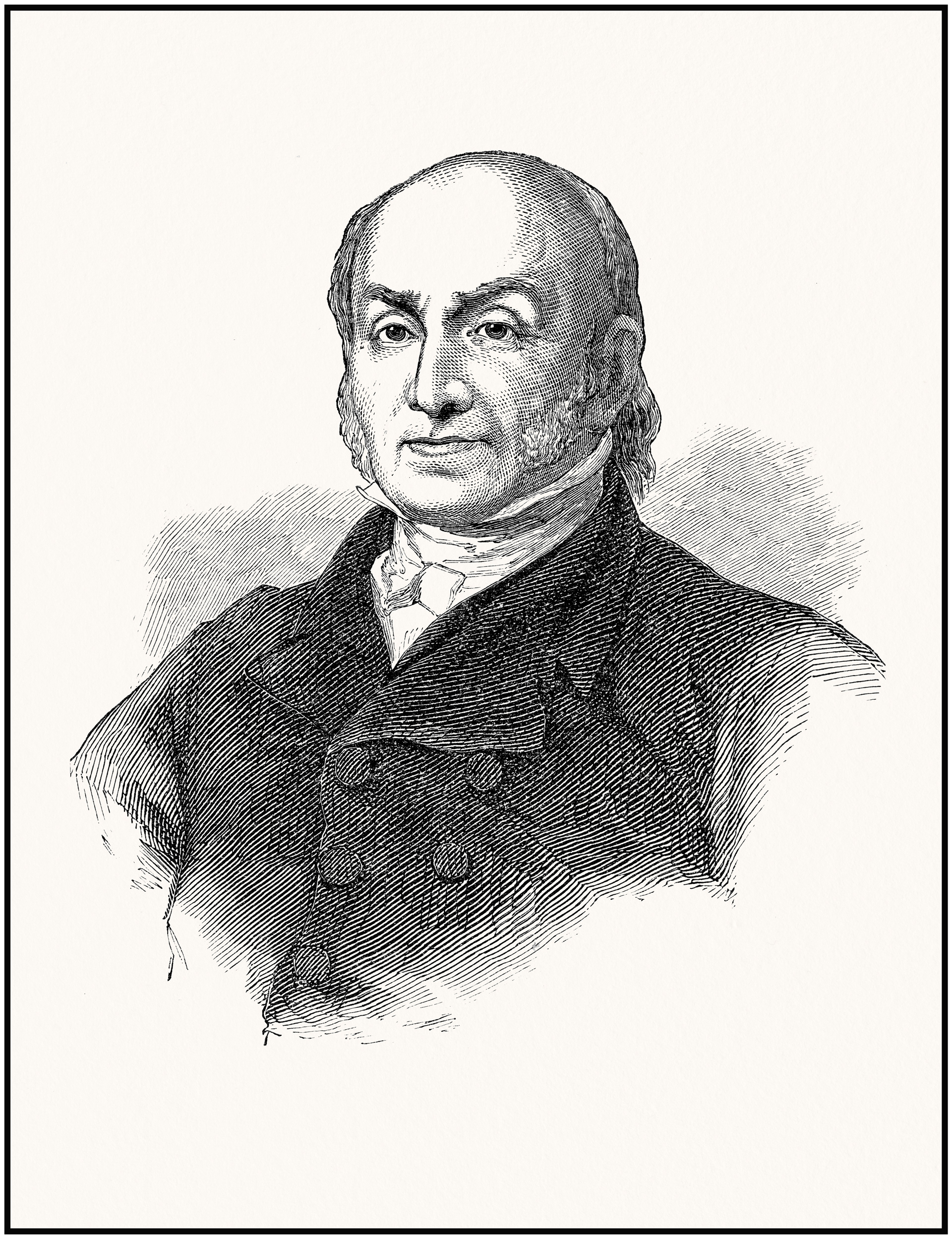
Figure 4: John Quincy Adams
Population:
- 9,638,453, up 33.1% from 1810 (including 1,538,022, enslaved people, or 16.0%).
Now president, John Quincy Adams recommended that enumerators collect age data on all people from infancy “to the utmost boundaries of life” in 10-year ranges. This again increased the overall number of questions.
Fun Fact:
Because of the disappointing results of attempts to collect economic data, this census returned to being a simple population count.
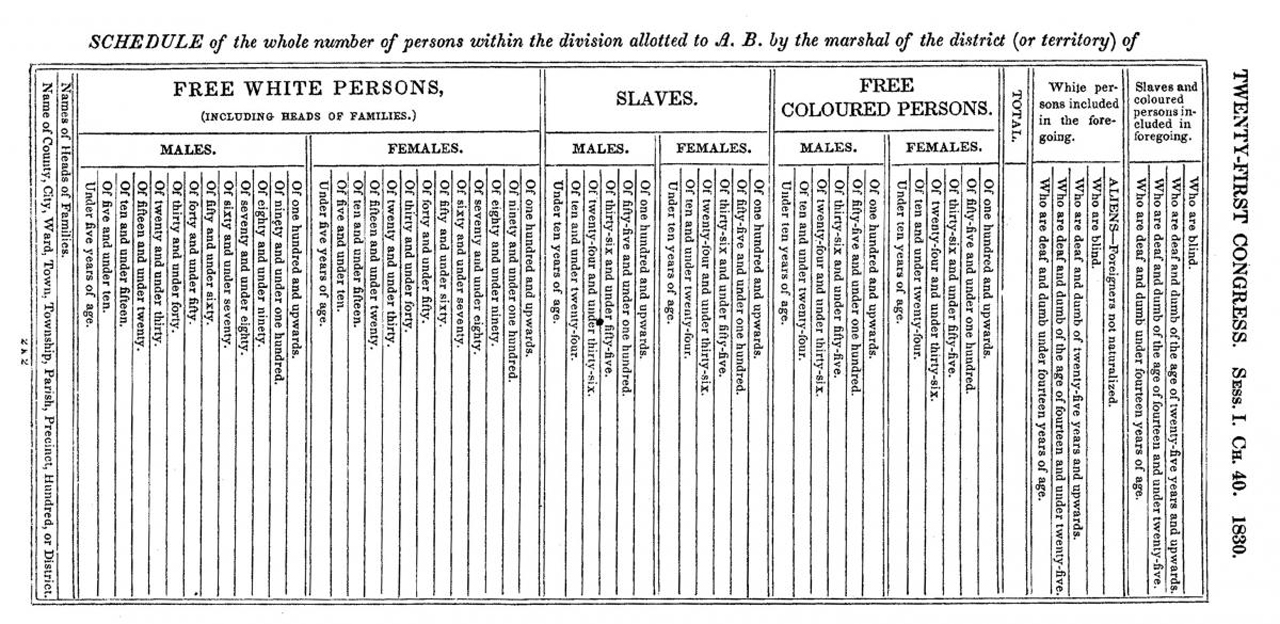
Figure 5: The 1830 Census Form Specified by Congress
Some Census Firsts:
- Counted Florida’s population.
- Uniform, printed schedule sheets were used to collect all data, enabling quicker enumeration and tabulation.
- Disability data were collected.
Population:
- 12,866,202, a 33.5% increase from 1820 (including 2,009,043 enslaved people, or 15.6%).
The sixth census, the last under the purview of the secretary of state, once again collected economic data, this time asking for the number of people in each family employed in these industries:
- Mining.
- Agriculture.
- Commerce.
- Manufactures and trades.
- Navigation of the ocean.
- Navigation of canals, lakes, and rivers,
- “Learned professions” and engineers.
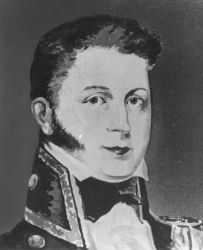
Figure 6: First Superintendent of the Census, William Augustus Weaver
Fun Fact:
“We are astonished as well as embarrassed by the meagerness of its details,” one commenter said about the resulting economic report.
Some Census Firsts:
- The Iowa and Wisconsin Territories were enumerated.
- The position “superintendent of the census” was created, first held by William Augustus Weaver.
- Enumerators asked questions about schools and education.
- New York reached a state population of over 2 million.
- New York City, Baltimore and New Orleans populations each topped 100,000.
Population:
- 17,063,353, up 32.7% from 1830 (including 2,487,355 enslaved people, or 14.6%).
The nation’s seventh census was the first under the U.S. Census Board, which consisted of the secretary of state, attorney general and postmaster general.
Once again, U.S. marshals collected the information. Congress moved responsibility for tabulating and reporting to the newly created Department of the Interior.
Fun Fact:
The census showed the U.S. population surpassed that of the United Kingdom for the first time.

Figure 7: "Taking the Census", Francis William Edmonds, 1854
Some Census Firsts:
- California, Minnesota, New Mexico, Oregon, Texas and Utah were counted.
- A dedicated “census office” headed by the superintendent was established.
- The name of each member — not just the head — of every household was collected.
- Enumerators asked about one’s birthplace, counted the number of farms and their acreage, and inquired about social issues like taxes, churches, poverty and crime.
Population:
- 23,191,876, up 35.9% from 1840 (including 3,204,313 enslaved people, or 13.8%).
Collection of the nation’s eighth census ended shortly before the outbreak of the Civil War. Census data aided the Union war effort, but accuracy of the statistics suffered.
By the time data were tabulated for publication, the conflict had created a shortage of clerks. Inexperienced staff compromised the data’s accuracy, most notably of economic data.
Union leaders found the data helpful, nonetheless. Census data on regional agriculture, population and the number of horses and mules enabled Northern commanders to operate in leaner fashion than traditional armies, moving quicker and living off the land, less reliant on supply lines.
Fun Fact:
Gen. William Tecumseh Sherman used census information in his “March to the Sea” campaign, writing “no military expedition was ever based on sounder or surer data,” in a letter to his daughter.

Figure 8: "Map showing the distribution of the slave population of the southern states of the United States."
Published in September 1861, the above map was the Census Office’s first attempt to visually display population density. It used data from the 1860 Census.
Some Census Firsts:
- The Dakota, Kansas, Nebraska and Washington territories were enumerated, as were portions of the Indian Territory (later combined with Oklahoma). People on "Indian Lands" who were not American Indians were counted as part of Arkansas.
- "Indian” was included as a race category on survey instructions.
Population:
- 31,443,321, up 35.6% from 1850 (including 3,953,760 enslaved people, or 12.6%).
The nation’s ninth census took place five years after the Civil War ended. No longer collecting data for the “slave questionnaire,” this census provided the first detailed information on the Black population after slavery was abolished.
Fun Facts:
This census saw the introduction of official maps and figures on its most significant findings and a simple tallying device, invented by future Census Superintendent Charles W. Seaton, was employed to assist tabulation.
This was the last census collected by the U.S. marshals.

Figure 9: Chief Census Clerk Charles Seaton’s Tallying Device
Some Census Firsts:
- Arizona, Idaho, Montana and Wyoming territories were counted.
- Nevada’s population was counted.
- “Chinese” was included as a race option.
- Enumerators asked if respondents’ parents were foreign-born.
- Male citizens 21 and older were asked if their voting rights had been denied (on grounds other than rebellion or crime).
Population:
- 39,818,449, up 26.6% from 1860.
A group of specially trained enumerators, forbidden to disclose census information, took the 1880 count. Prior to this census, respondent privacy had never been enforced.
Enumerators were required to be residents of their respective districts.
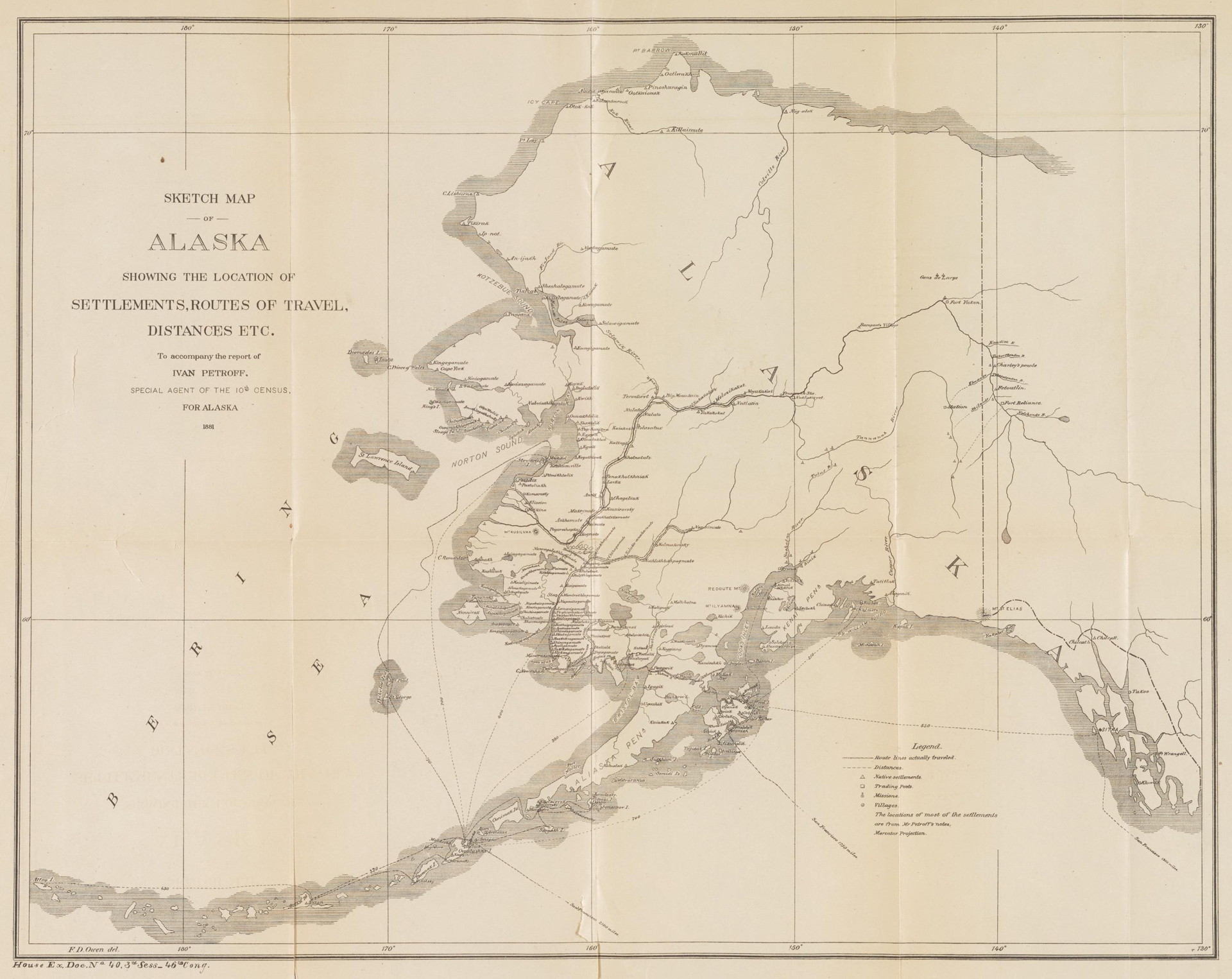
Figure 10: Sketch Map of Alaska From the Report of Ivan Petroff, Special Agent of the 10th Census for Alaska, 1881
Fun Fact:
For the first time, enumerators were provided detailed maps to ensure they counted their entire assigned area.
Some Census Firsts:
- Alaska’s population was enumerated.
- Women worked as enumerators.
- Public access to that year’s census data was limited.
- New York City’s population hit the 1 million mark.
- Street names and house numbers were recorded.
- Enumerators asked about unemployment and marital status (single, married, divorced or widowed).
Population:
- 50,189,209, up 26.0% from 1870.
The prior census took nearly a decade to tabulate. Worried future reports would take even longer, the federal government held a contest to encourage creation of speedier methods.
A former Census Bureau statistician, Herman Hollerith, invented an electric counting machine that utilized punch cards to tally respondents’ characteristics, revolutionizing census tabulation. His company would later become International Business Machines, better known as IBM.
Nearly all records from the 1890 Census were destroyed in a 1921 fire at the Department of Commerce building.
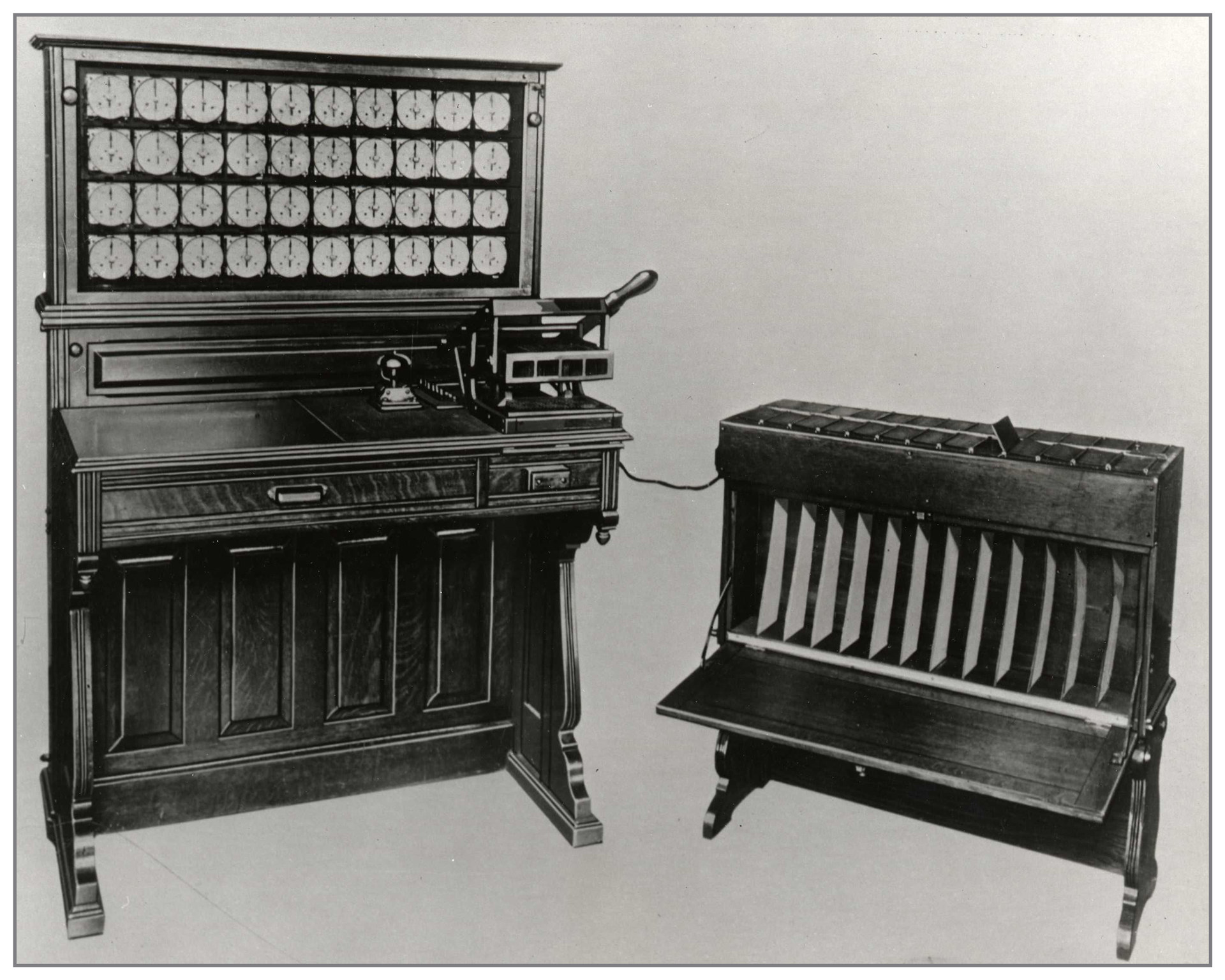
Figure 11: Hollerith's Electric Sorting and Tabulating Machine
Fun Fact:
This census found so many pockets of settlement in the American West that the superintendent of the census determined the "frontier line" no longer existed, marking the closure of the frontier and opening a new era of American history.
Some Census Firsts:
- Oklahoma’s population was counted.
- Respondents were asked if they spoke English and if not, what language they spoke.
- Specific information like length of service was collected from Union soldiers and sailors.
- A detailed report on American Indians was the first published collection of tribal information, including photographs and drawings of tribal life.
- Japanese was included as a race category.
- New York, Chicago and Philadelphia each had populations over 1 million.
- Chicago became the second-most populous city (after New York).
Population:
- 62,979,766, up 25.5% from 1880.
Although the 1880 and 1890 Censuses furnished large quantities of statistics, they took too long to tabulate (even with the advent of the Hollerith machine), failing to provide information when it was most needed. Consequently, Congress limited the 1900 Census to questions on population, manufacturing, agriculture and mortality.
Fun Fact:
Telephone inventor Alexander Graham Bell was appointed “expert special agent of the Census Office for the preparation of the Report on the Deaf and the Blind” for the 1900 Census.
Some Census Firsts:
- Hawaii’s population was counted as a U.S. territory (previously, the Kingdom of Hawaii took censuses).
- Immigrants were asked the year they arrived in the United States.
- People were asked how long they’d been married.
- American Indians — including those on tribal lands — were enumerated on the general questionnaires with the rest of the population.
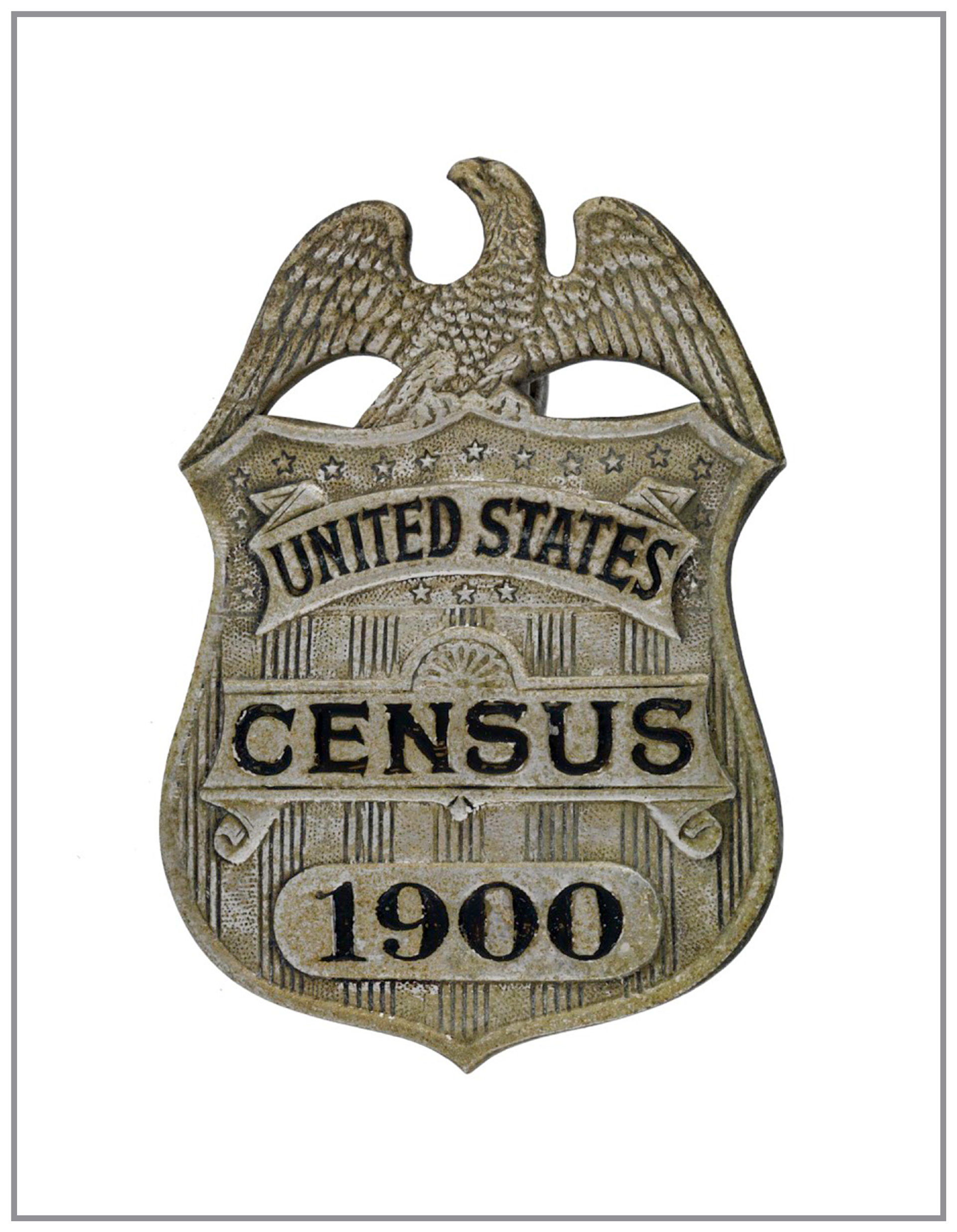
Figure 12: Census Badge, 1900
Population:
76,212,168, up 21.0% from 1890.
In the wake of the Gilded Age, the census changed again. President Theodore Roosevelt, who ran on trustbusting and rooting out corruption, hired census enumerators through the civil service system. Prior to this, Congress retained them as patronage positions.
Fun Fact:
The Census Bureau as it exists today was created in 1902, and moved from the Department of the Interior to the Department of Labor and Commerce. Prior to this, a “census office” was established and wound down each decade.
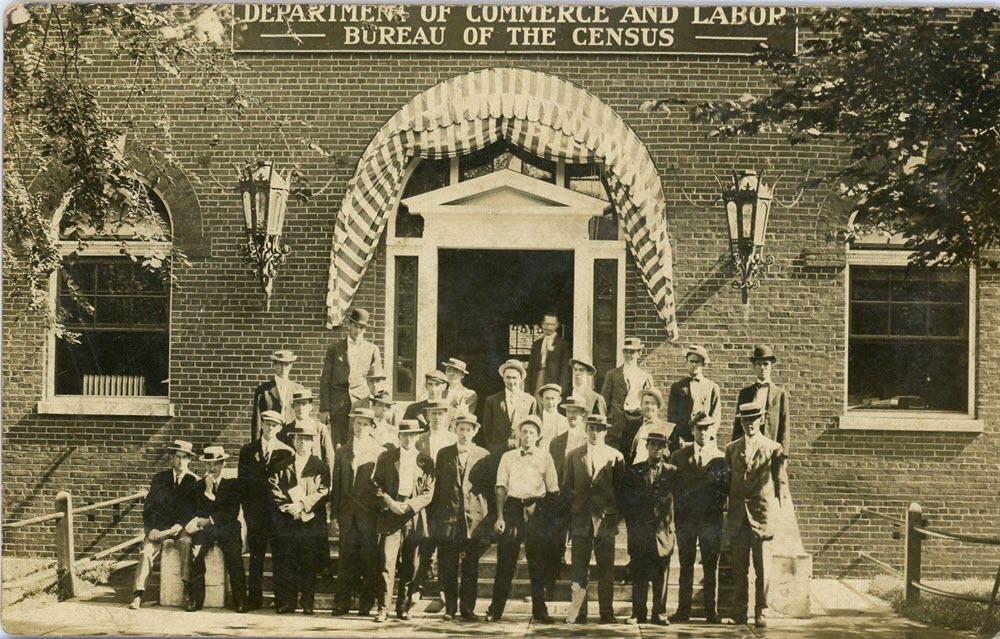
Figure 13: 1900 & 1910 Census Bureau Headquarters, Washington DC
Some Census Firsts:
- Puerto Rico was enumerated (though there was a special census in 1899).
- People were enumerated where they regularly slept and not where they had temporarily relocated for work or school.
Population:
- 92,228,496, up 21.0% from 1900.
The 14th census revealed a major shift in population from rural to urban areas. Rural interests attempted to dampen the impact of this migration on their congressional representation.
Consequently, Congress delayed reapportionment of the House until 1929, using the results of the 1930 Census and skipping the 1920 Census returns entirely.
Fun Fact:
Due to international boundary changes after World War I, enumerators were instructed to report the province, state, region or city of respondents (or their parents) born in Austria-Hungary, Germany, Russia or Turkey. For any other foreign country, only its name was needed.
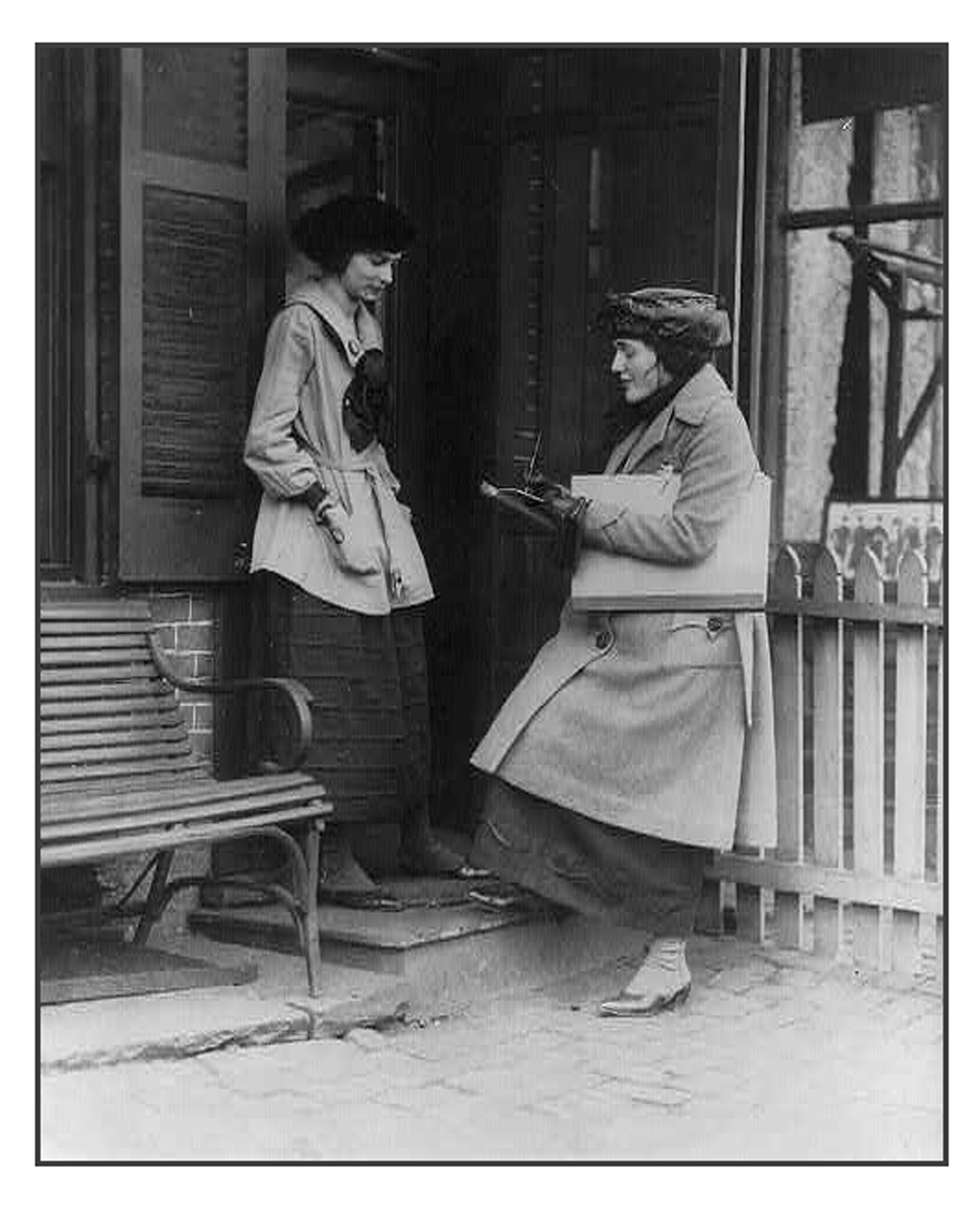
Figure 14: Enumerator Taking the Census, 1920
Some Census Firsts:
- American Samoa, Guam and the Panama Canal Zone were enumerated.
- More than 50% of the population lived in urban areas.
- The national population was greater than 100 million.
- New York becomes the first state with a population of more than 10 million.
- Asked respondents, if immigrants, the year they were naturalized.
- Respondents were asked their salary.
Population:
106,021,537, up 15.0% from 1910.
Between passage of the law funding the 1930 Census and the day counting began, the stock market crashed and The Great Depression began.
The Census Bureau was unequipped to process unemployment data as quickly as the public and institutions demanded. Rushed reports were published but seen as inaccurately low.
Congress called for a special unemployment census in January 1931, which confirmed the economic depression’s severity.
Fun Fact:
The 1930 Census was the last to ask all respondents detailed questions on topics like language, employment and veteran status.

Figure 15: Farm Family Listening to their Radio, 1930
Some Census Firsts:
- Included questions about home value and the amount of rent paid each month.
- Respondents were asked if their home had a radio and their age when first married.
- Veterans were asked the war in which they fought.
- Race categories were expanded to include Filipino, Hindu, Korean and Mexican.
- Added questions on English literacy.
- One member of the household was designated as the "homemaker.”
Population:
- 123,202,624, up 16.2% from 1920.
The 16th census saw the first use of advanced statistical techniques like probability sampling, when answers from a random selection of individuals within a population are used to represent the whole.
These methods enabled the Census Bureau to ask additional demographic questions without surveying everyone in the country. It also eased data processing, allowing more time to create detailed tables and improve processing quality.
Fun Fact:
Census demographic, economic, manufacturing and mineral data were used to create the “Victory Plan” — the blueprint to win WWII.
Some Census Firsts:
- The U.S. Virgin Islands were enumerated.
- Respondents were asked if they had a Social Security Number.
- Women were asked if they’d been married more than once.
- Foreign-born respondents were asked about their citizenship status.
- Respondents answered detailed questions about work, income, and pension and retirement deductions.
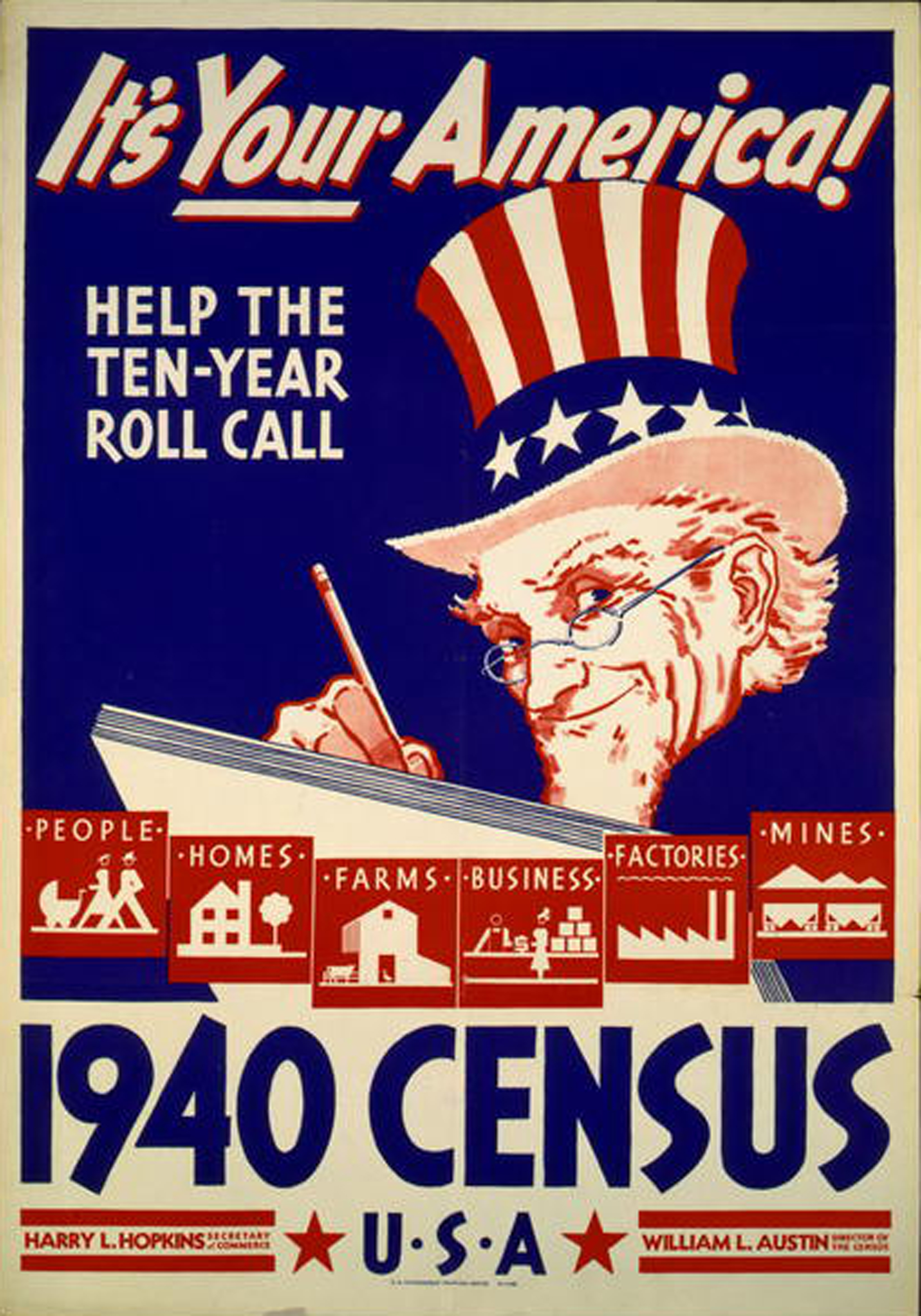
Figure 16: Census Poster, 1940
Population:
132,164,569, up 7.3% from 1930.
With the nation’s expanded global presence after World War II, the 1950 Census sought to enumerate Americans abroad for the first time. Counting overseas service members was carried out in cooperation with the military, State Department and other federal agencies.
Family members reported other civilians abroad, but these data were excluded from official returns because they were of such poor quality.
Fun Fact:
This is the most recent census to have all records made public, and the first to record the WWII “baby boom” (census records from each decennial census are made public 72 years after that census took place).
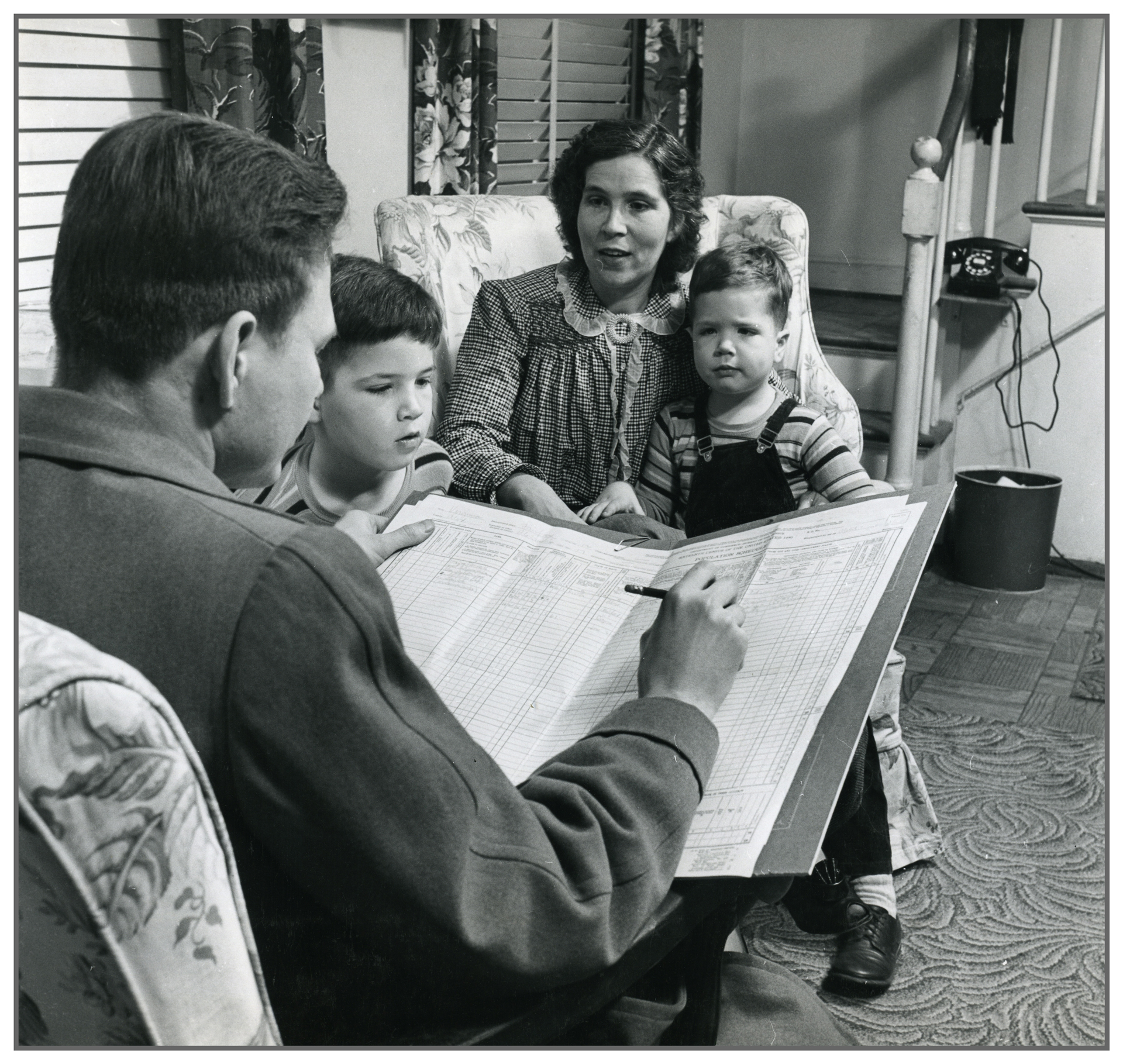
Figure 17: Photograph of a Census Enumerator Visiting a Virginia Household, 1950
Some Census Firsts:
- Respondents were asked whether they’d finished their highest grade attended in school.
- The majority of enumerators were women.
- The questionnaire included the terms “divorced,” “separated” and “never married” to indicate marital status.
- Every state and territory had a population of over 100,000.
Population:
- 151,325,798, up 14.5% from 1940.
The eighteenth census of the United States was the first to rely primarily on self-enumeration. In urban areas, every household received a questionnaire by mail. An enumerator collected and reviewed the responses.
Fun Facts:
This census asked detailed questions about housing condition, plumbing, heating, electricity, appliances and more.
This was the last census to show New York as the most populous state and the last to ask if homes had a radio.
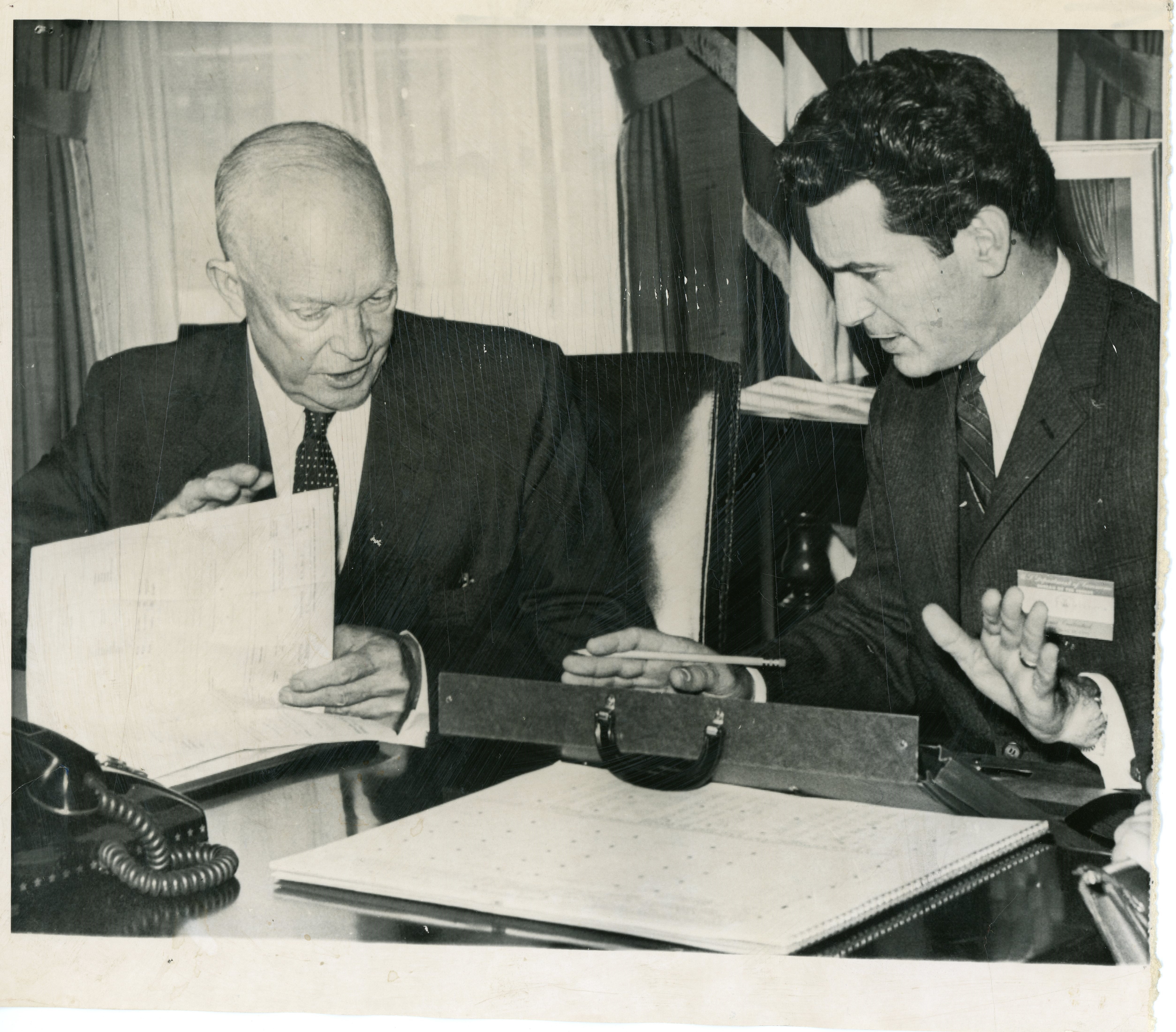
Figure 18: President Eisenhower Completes His Census Form, 1960
Some Census Firsts:
- Digital computers processed nearly all data.
- Respondents were asked if they last attended public or private school and what mode of transportation they used to get to work.
Population:
- 179,323,175 people, up 18.5% from 1950.
To diminish complexity and processing burden, the Census Bureau reduced the number of inquiries on the long-form questionnaire from 66 to 23.
In most cases, enumerators only performed follow-up interviews with nonresponding households as part of the first true test of a “mail-out, mail-back” census.
Fun Facts:
In the wake of the Civil Rights Movement, respondents were asked to self-identify their race rather than having census enumerators decide.
It was also the last census to enumerate the Panama Canal Zone’s population.
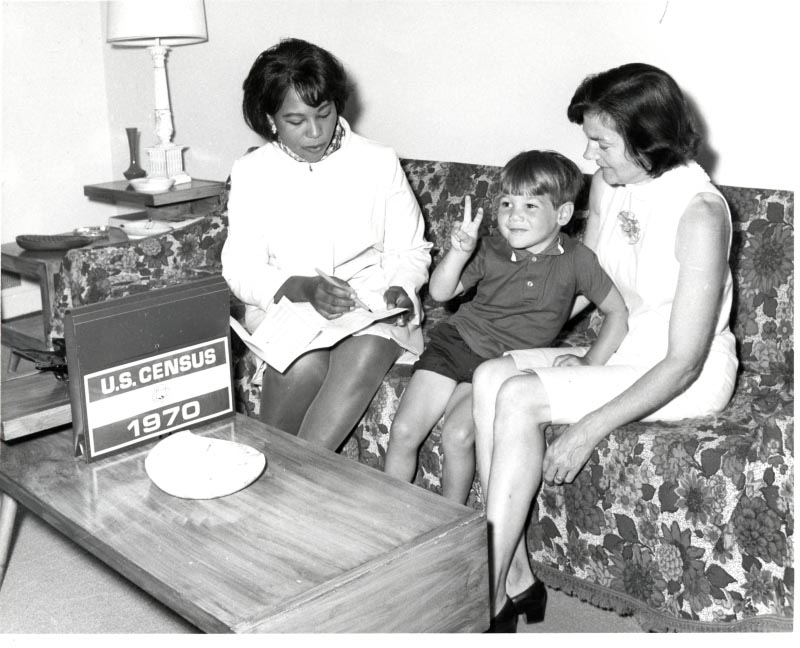
Figure 19: 1970 Census Enumeration
Some Census Firsts:
- The Northern Mariana Islands and Palau were enumerated.
- California was the most populous state.
- Hispanic origin was included as a separate question.
- Computerized address lists and datasets were created.
- Targeted outreach to undercounted populations.
Population:
- 203,302,031, up 13.4% from 1960.
The success of the 1970 mail questionnaire led to an expansion in 1980. About 95% of the U.S. population was counted this way.
Special attention was paid to improving enumeration methods for transient populations.
Fun Fact:
Suburban growth and the energy crises of the early 1970s fueled the Census Bureau’s expansion of its transportation questions.
Some Census Firsts:
- Respondents reported on the length of their commute.
- Unmarried and same-sex couples could list their significant other as a “partner.”
- All respondents were asked if they were of Spanish or Hispanic origin.
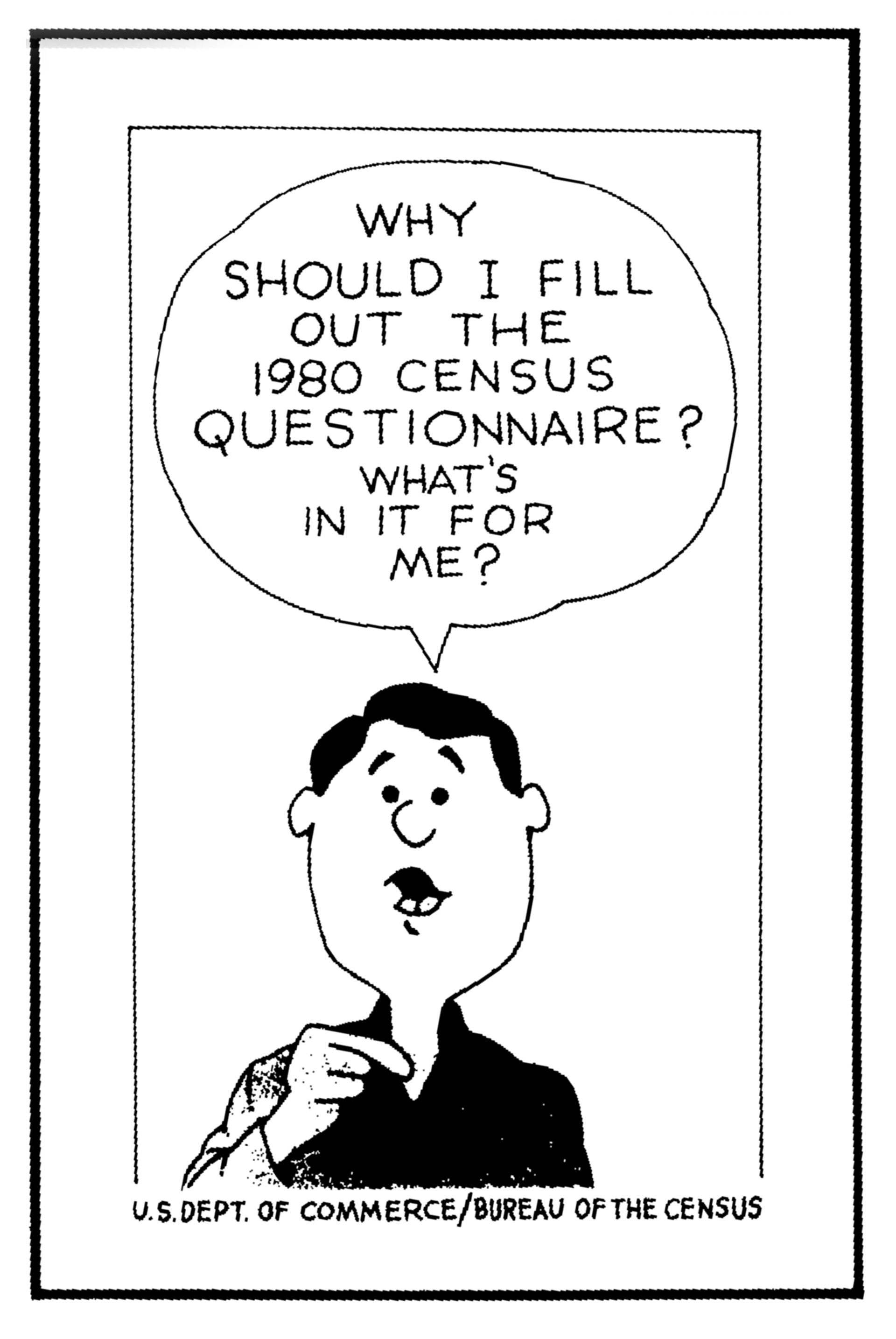
Figure 20: 1980 Census Promotional Cartoon
Population:
- 226,542,199, up 11.4% from 1970.
Computerized mapping systems debuted in data collection and tabulation processes. CD-ROMs of census returns were introduced (in addition to the traditional print, computer tape and microfiche).
For the first time, anyone with a personal computer could access some census data online.
Fun Facts:
A misprint mistakenly directed Spanish-speaking respondents to call an auto parts store in Kansas.
This was the last census to ask specifically about military service in World War I. It was also the last to enumerate Palau.
Some Census Firsts:
- Included a question asking what time people left for work.
- Los Angeles became the nation’s second-largest city (behind New York City), bumping Chicago to third.
- The Topologically Integrated Geographic Encoding and Referencing (TIGER) database — the first nationwide digital map of roads, boundaries and water — was created.
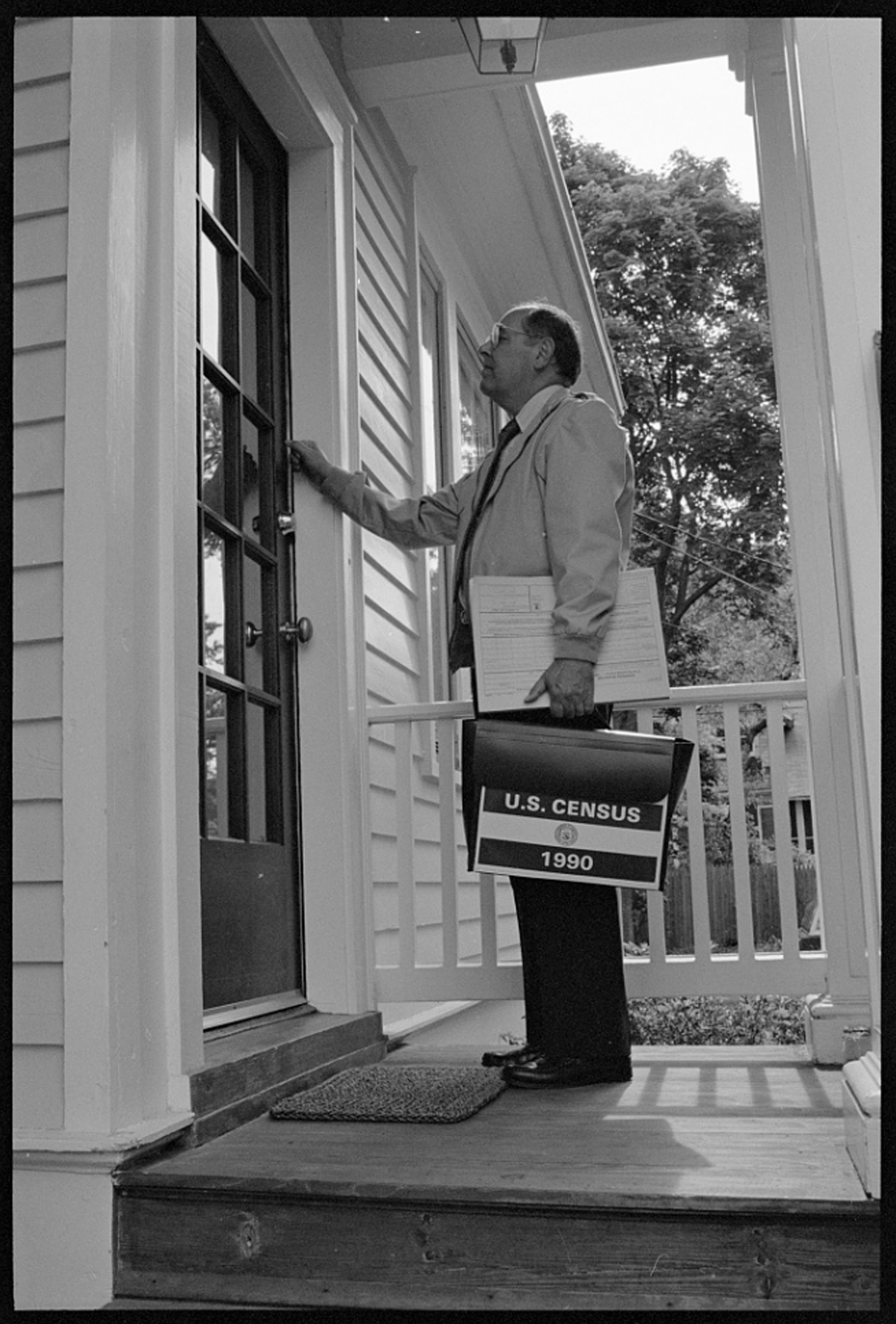
Figure 21: U.S. Census Enumerator, 1990
Population:
- 248,718,302, up 9.8% from 1980.
Some who received the short-form census questionnaire could respond via the internet for the first time. The worldwide web became the main distribution center for census data, as it is today. One could also buy the data on CD-ROM or DVD.
The short form had just seven questions, the shortest census questionnaire since 1820. The long form asked 52 questions of approximately 1 in 6 households (roughly a 17% sample).
Fun Fact:
Fewer reports were printed than in the past. The 2000 report series contained about one-tenth the number of pages of the previous decennial.
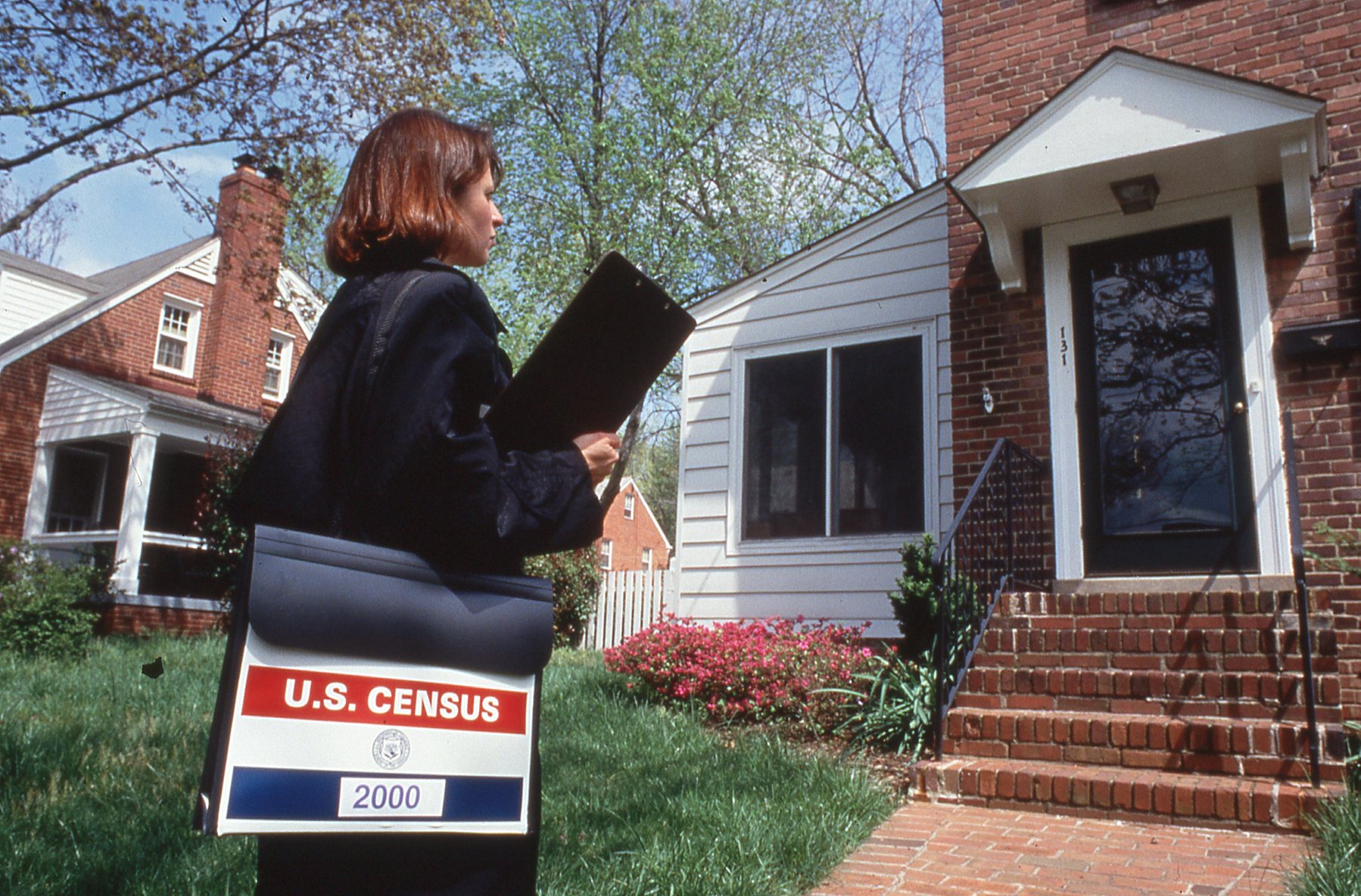
Figure 22: Census Enumerator, 2000
Some Census Firsts:
- Respondents provided their phone number and could choose multiple races.
- A paid advertising campaign was used to raise awareness about the census, reaching 99% of U.S. residents in 17 languages.
Population:
- 281,424,603, up 13.1% from 1990.
With three more questions than the prior census, the 2010 Census was still one of the shortest in history. It asked only 10 questions — respondent’s name, sex, age, race, Hispanic origin, ethnicity, relationship, how many people lived in the home, whether they occasionally lived elsewhere, and whether the home was owned or rented.
All respondents filled out what was traditionally referred to as the “short form.” The long form was retired and recast as the American Community Survey.
Due to cybersecurity concerns respondents could not submit answers over the internet, unlike the 2000 Census.

Figure 23: Census-Sponsored NASCAR Stock Car, March 2010
Fun Fact:
Like opposite-sex couples, same-sex married couples could mark their spouses as "husband” or “wife." Choosing "unmarried partner" was also an option.
Some Census Firsts:
- The bureau partnered with NASCAR to promote the decennial count.
- Same-sex married couples were counted.
Population:
- 308,745,538, up 9.7% from 2000.
The 24th census was taken at the height of the COVID-19 pandemic. It was the first time that all households had the opportunity to respond to the census online.
Due to the pandemic, the Census Bureau needed extra time, causing it to miss the December 2020 apportionment count deadline.
Fun Fact:
As part of the 2020 communications campaign, the Census Bureau promoted a rendition of the song “This is Me” featuring a variety of Native Hawaiian and Pacific Islander artists from across the country.
Some Census Firsts:
- 10 states each had populations over 10 million.
- Responses were accepted online, by mail, by phone, through enumerators or administrative records.
- Enumerators were equipped with electronic devices allowing instant data upload.
- Satellite imagery was used to update the Census Bureau’s Master Address File.

Figure 24: A Census Taker in 2020
Population:
- 331,449,281, up 7.4% from 2010.
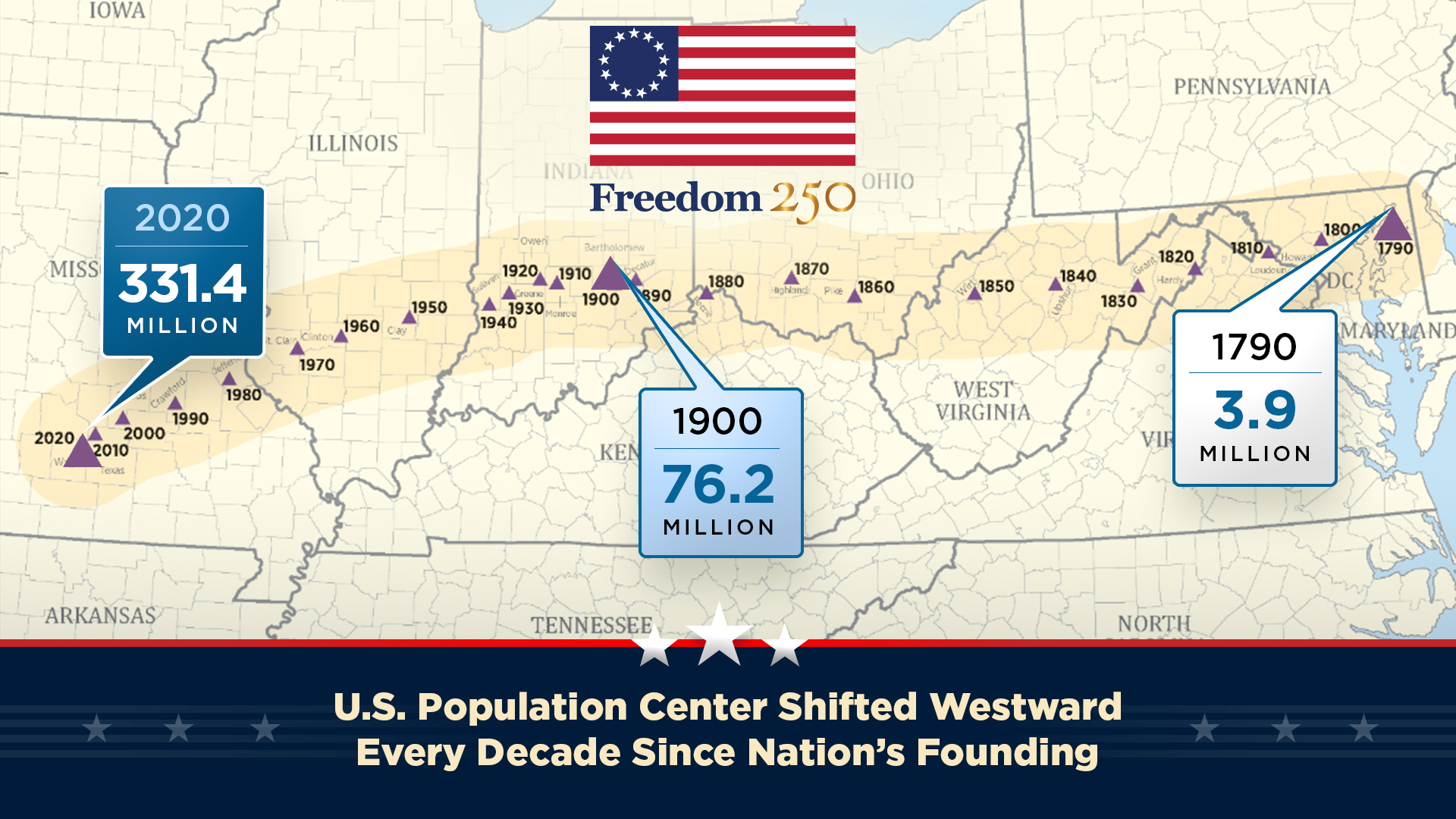
Mean Center of Population for the United States: 1790-2020

Related Statistics
Subscribe
Our email newsletter is sent out on the day we publish a story. Get an alert directly in your inbox to read, share and blog about our newest stories.
Contact our Public Information Office for media inquiries or interviews.
Related America Counts Stories
-
PopulationNational Archives Releases 1950 Census RecordsApril 01, 2022Decennial Census records are available to the public for free through the National Archives 72 years after each census is taken.
-
PopulationFamous People Who First Appeared in 1950 Census RecordsApril 01, 2022The National Archives today releases 1950 Census records. Some people who eventually gained fame made their first appearance in this decennial census.
-
PopulationThe “Hart” of the Nation’s Population: Hartville, Missouri (Pop. 594)November 16, 2021The Census Bureau calculated the spot that marks the center of U.S. population based on the 2020 Census and it is in Missouri for the fifth consecutive decade.
-
Emergency PreparednessEarthquake Risk May Hit Closer to Home Than You ThinkOctober 14, 2026The 140th anniversary of the Charleston earthquake reminds us of the risks to people, housing and economies in places not typically associated with earthquakes.
-
Emergency PreparednessTornado Activity Shifts East — Heightening Risks in the SouthOctober 07, 2026Census data can help vulnerable communities that have a concentration of mobile homes cope with more frequent tornado activity over a longer season.
-
Families and Living ArrangementsU.S. Parents Gave $26.6 Billion to Their Adult Children in 2024September 30, 2026About 2.6 million parents provided financial support to 3.7 million children age 21 and over who did not live at home.
-
Business and EconomyAmerican Manufacturing: A History in Census DataSeptember 28, 2026On the 15th anniversary of Manufacturing Day, we celebrate the sector’s contribution to the U.S. economy.